Leave the Keys Behind: Unforgettable Car‑Free Camping Getaways

Today we dive into car‑free camping getaways, celebrating journeys where the adventure begins the moment you step onto a platform, bus stop, ferry deck, or bike lane. Discover how to plan seamless routes, pack brilliantly, savor meals without a cooler, and sleep under stars with a lighter footprint. Expect stories, practical checklists, and inviting itineraries that prove freedom thrives beyond parking lots. Join our community, share your routes, and subscribe for fresh destinations that are reachable without driving.

Choose Places That Welcome Arrivals by Train, Bus, Bike, or Foot

Read the Transit Map Like a Trail Map

Study connections the way you would contour lines, tracking frequency, transfers, and seasonal changes. Annotate station exits that spill directly onto paths, and mark grocery stores within a five‑minute stroll. Cross‑reference peak hours with your walking time to avoid crowded trains while still catching daylight at camp. This mindset transforms transit into terrain, revealing shortcuts, backup options, and confidence when plans shift mid‑journey.

Seasonality and Schedules Matter

Some shuttles only run on summer weekends, ferries may switch docks in shoulder seasons, and mountain buses often add pre‑dawn departures during holiday weeks. Build a timetable that respects sunrise, check return trips before you leave, and screenshot schedules for offline use. If a storm disrupts service, having two alternative routes preserves your calm. Timely planning protects your energy and keeps your camp arrival relaxed and unrushed.

Local Knowledge Beats Guesswork

Call the campground host, visit regional transit forums, and message hiking clubs that regularly arrive without cars. Locals know which trails drain fast after rain, which stops lack sidewalks, and where a tiny bakery opens early near the station. These insights can shave miles, reveal scenic shortcuts, and help you avoid dicey shoulders. Small, friendly conversations often lead to the most memorable camp spots and smoother approaches.

Pack Light, Move Far: Gear That Earns Its Place

Without a trunk, every gram must work hard. Choose a shelter that pitches fast on small pads, a sleep system tuned to overnight lows, and clothing that layers gracefully across shifting forecasts. Prioritize compact, durable items that compress neatly into a single backpack, leaving room for food. Multi‑use tools, a tiny repair kit, and a thoughtful first‑aid pouch provide resilience. Your goal is simple: arrive energized, not overloaded.

Shelter That Disappears in Your Pack

Ultralight tents, shaped tarps, or trekking‑pole shelters earn their keep when they pitch quickly and shrug off wind. Look for robust zippers, dependable guyline points, and a footprint trimmed to actual dimensions. If you share, split components equitably. Practice pitching in a park near home, timing setup and takedown. Rehearsed efficiency means less fumbling at dusk and more time soaking up the hush that follows the last commuter train.

Sleep Warm Without the Bulk

Match your quilt or bag’s comfort rating to expected lows, not optimistic forecasts. Pair it with an insulated pad that resists ground chill, and stash a dry pair of socks strictly for sleeping. A lightweight hooded layer doubles as a pillow and midnight warmth booster. Test combinations on your balcony or backyard before departure. When your sleep system works, dawn feels generous, coffee tastes brighter, and every mile begins kinder.

Carry Less Water, Treat More

Study water sources along your route, noting seasonal flows and campground spigots near arrival points. Bring a compact filter and backup tablets, plus a collapsible bottle to expand capacity for dry stretches. Treating as you go trims heavy liters on transit legs and steep climbs. Mark refill points on your offline map, and sip steadily rather than chugging at stops. Hydration becomes a rhythm, not a burden.

Master the Last Mile Without a Steering Wheel

The magic often lives between the terminal and your tent. Plan transitions that feel like part of the adventure: a shuttle up a forest road, a rail‑trail cruise on a folding bike, or a gentle riverside walk to a walk‑in site. Confirm sidewalks, shoulder width, and bridge crossings. Consider sunset times, headlamp backup, and snack breaks. Smooth last miles keep morale high and protect the glow that drew you outdoors.

Eat Brilliantly Without a Cooler

Fuel and Flavor in Featherweight Meals

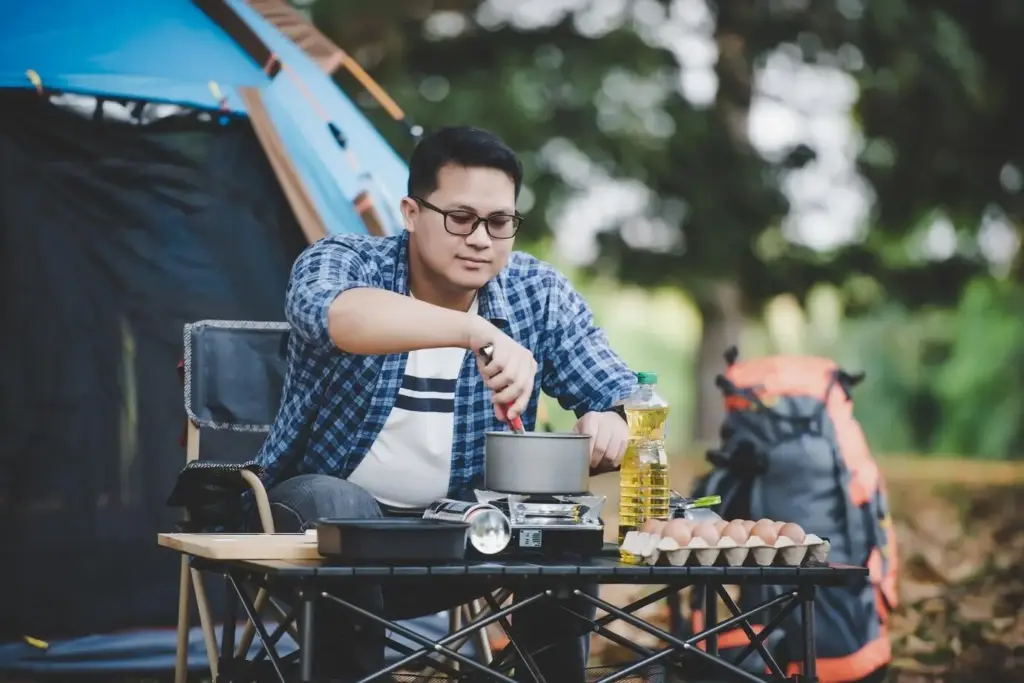
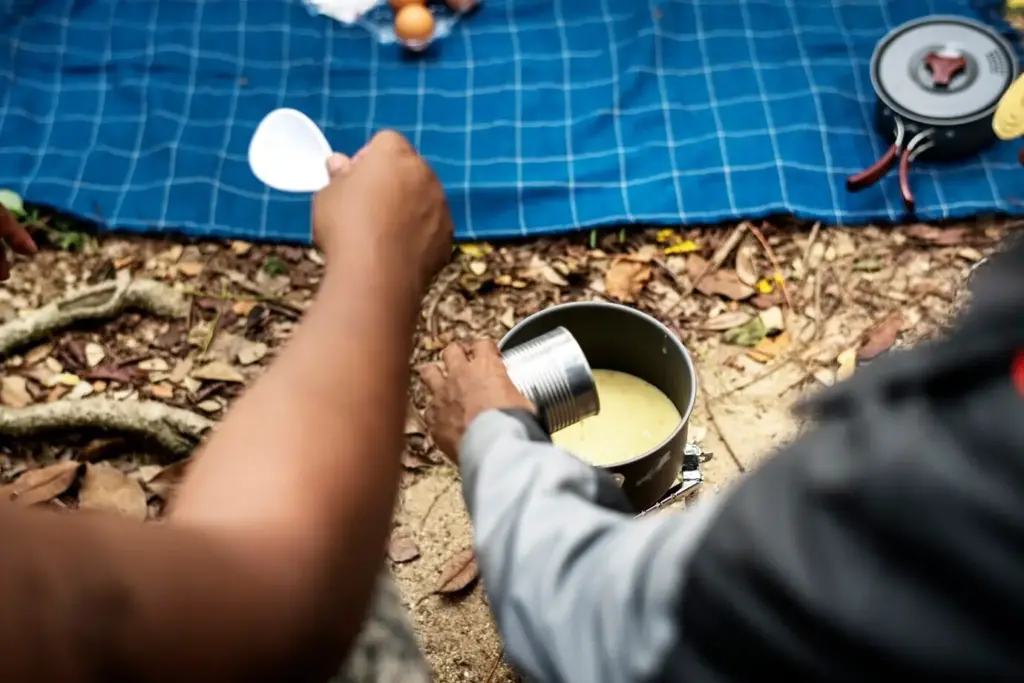
Start with couscous, instant rice, or ramen, then add olive oil packets, chili crunch, or sun‑dried tomatoes. A compact stove with windscreen saves fuel when breezes rise near lakes. Pre‑label bags for dinners by day to prevent rummaging. Finish with a square of dark chocolate for morale. Flavor is memory, and food becomes a quiet celebration of the miles you chose to walk instead of drive.

Resupply Like a Local

Instead of hauling everything from home, browse small groceries near transit stops for produce, tortillas, and cheese that travel well. Ask staff about regional snacks or bakery schedules. Buying local lightens your pack and supports communities that welcome non‑drivers. Keep a reusable tote tucked into your side pocket, and pack heavier items near your back. Spontaneous additions turn routine dinners into satisfying, place‑specific moments.

Coffee, Tea, and Sunrise Rituals

A tiny pour‑over cone, single‑serve sachets, or an ultralight press can elevate dawn in seconds. Heat water while the world brightens, and sip from a cup that warms your hands. Tea lovers might carry ginger or mint for a soothing nightcap. These small rituals anchor your day and reward early starts for bus or ferry schedules. The quiet steam becomes part of the landscape you worked to reach.

Stay Safe, Leave Light Footprints

Traveling without a car often heightens awareness, inviting slower decisions and deeper care. Check forecasts, register for alerts, and know your limits. Follow Leave No Trace principles rigorously, especially near high‑traffic transit corridors where fragile sites deserve gentleness. Secure food well, respect quiet hours, and model kindness toward staff and fellow campers. Preparedness and courtesy ensure car‑free trips remain welcomed, sustainable, and inspiring for everyone who follows your footsteps.

Itineraries to Inspire Your Next Departure

Use these sketches as springboards, then tailor distance, elevation, and transit timing to your comfort. Pair train segments with short shuttles, or stitch two bus lines together using a riverside bike path. Place camps within easy walks of stops to extend evenings. Leave buffer time for serendipity, like a farm stand near a station. When you build with flexibility, even delays become discoveries worth savoring and sharing.

01

Rails to Trails Weekend Escape

Catch a Friday evening train to a small town with a rail‑trail threading into forested campgrounds. Grab fresh bread and cheese near the platform, then walk twilight miles along a quiet river. Saturday invites a looped day hike; Sunday returns via a late morning shuttle. This gentle rhythm balances travel, exertion, and lingering moments beside water where your reflections outnumber passing cars.

02

Island Ferry Campout

Ride a coastal bus to the ferry and watch the city shrink to thumbnail lights. On the island, walk or pedal to a wooded site near a rocky beach. Tide pools become your evening entertainment, gulls your soundtrack. Breakfast is hot oatmeal under salt air. Depart on a mid‑day boat with sun on your shoulders and sand tucked in your shoelaces, grateful for currents instead of cloverleafs.

03

Mountain Hot Springs Loop

Bus to a valley town, shuttle to the trailhead, then climb through pines to a campground near geothermal pools. Soak sore legs beneath stars as distant ridgelines fade to ink. Next morning, crest a viewpoint and descend along a creek that whispers toward civilization. Return by afternoon bus, warm and unhurried. The memory lingers like steam on cold air: restorative, simple, perfectly within reach without driving.

Tapokinekarekemoto
Privacy Overview

This website uses cookies so that we can provide you with the best user experience possible. Cookie information is stored in your browser and performs functions such as recognising you when you return to our website and helping our team to understand which sections of the website you find most interesting and useful.