Ride, Hike, Camp: Seamless National Park Escapes with Shuttles
Plan hike-in camps in national parks using park shuttles to skip parking headaches, reach quieter trailheads, and tread more lightly on fragile landscapes. Learn how to time departures, secure permits, pack efficiently, and link routes with reliable bus stops, while staying flexible if schedules shift. We will combine practical checklists with seasoned tips, ranger insights, and real trail stories so you can step off the bus, shoulder your pack, and wander toward a peaceful backcountry night under stars.
Mastering Shuttle Networks and Trailhead Access
Understanding how park shuttle systems connect visitor centers, camp villages, and remote trailheads transforms logistics into freedom. Study route maps, seasonal loops, and frequency changes, then visualize where your hike begins and ends relative to stops. Build time buffers for busy weekends, delayed connections, or weather slowdowns. Remember, some shuttles allow gear racks or soft-sided bear canisters, while others restrict bulky items. A little research before arrival saves hours and preserves energy for the miles that matter.
Backcountry Permitting Without a Car
When you arrive by shuttle, you may not pass a traditional station where permits are issued. Identify online reservation portals and ranger outposts accessible from shuttle stops. Carry digital copies and a printed backup to present quickly. Ask about designated bear canister zones, campsite numbering, and cross-zone travel rules. If your plan changes mid-trip due to weather or bus delays, know how to update your itinerary. Responsible documentation keeps you compliant and protects fragile ecosystems.
Food Storage, Fire Policies, and Local Wildlife
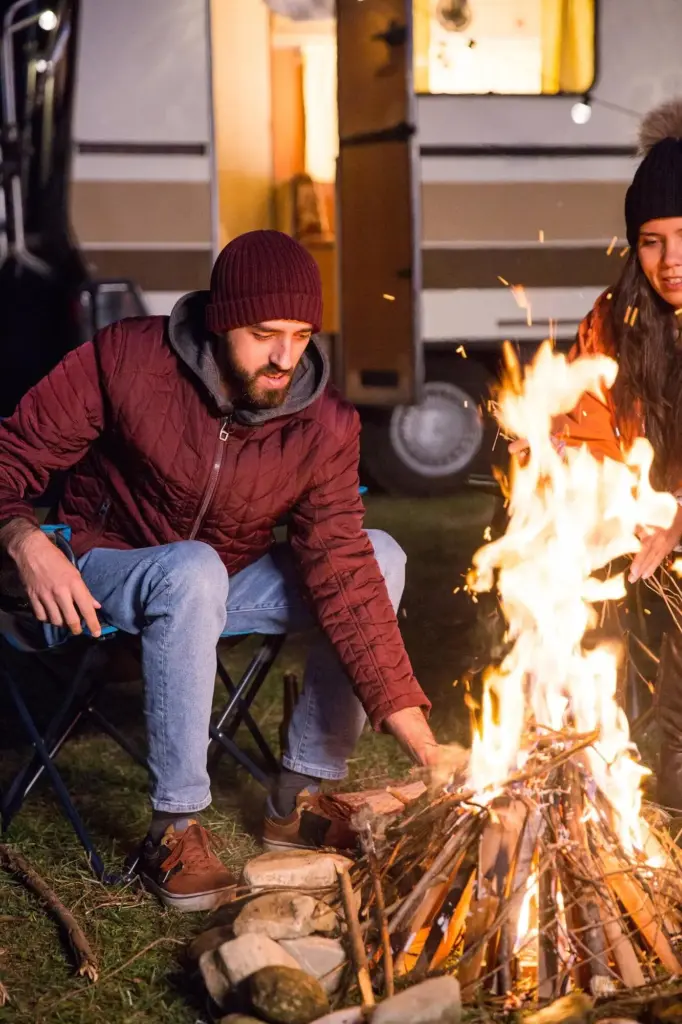
Many shuttle-linked trailheads lie within bear country or habitat shared with foxes, marmots, or ravens adept at stealing food. Confirm which containers are mandatory, where lockers exist near stops, and how to cook safely away from tents. Fire bans shift with drought indices and wind forecasts, meaning stoves may be permitted while open flames are not. Adopt odor-minimizing routines and strict camp hygiene so wildlife stays wild. Your habits directly influence animal behavior and visitor safety.
Group Size, Quiet Hours, and Trail Etiquette
Parks often limit group sizes to reduce erosion, crowding, and wildlife stress along busy shuttle corridors. Know quiet hours, corridor-specific rules, and where larger parties can camp legally. Yield right-of-way on narrow paths, step off durable surfaces to let buses unload safely, and keep voices low near dawn and dusk. Clear communication within your group prevents conflicts and missed buses. Modeling respectful etiquette sets a positive example for newer hikers watching seasoned visitors lead with care.
Packing Light for Bus-Friendly Approaches and Scenic Camps
Dialing in the Big Three for Mobility
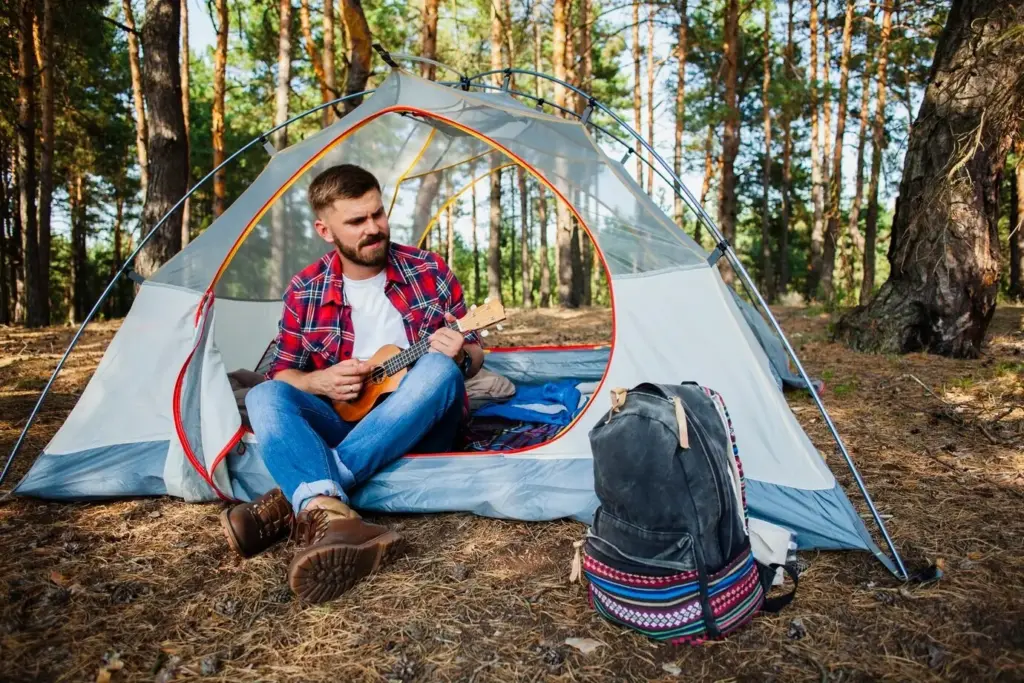
Shelter, sleeping bag, and pack carry most weight and volume. Prioritize a lightweight tent or tarp that pitches quickly near shuttle-accessed trailheads with rocky or compacted ground. Choose a quilt or bag suited to expected lows, plus a pad that won’t puncture easily in gravelly staging areas. Your backpack should ride close to the torso and fit overhead if policy allows. Balanced, compact gear minimizes jostling riders and reduces fatigue during crowded transfers.

Food Strategy Synced to Shuttle Timetables
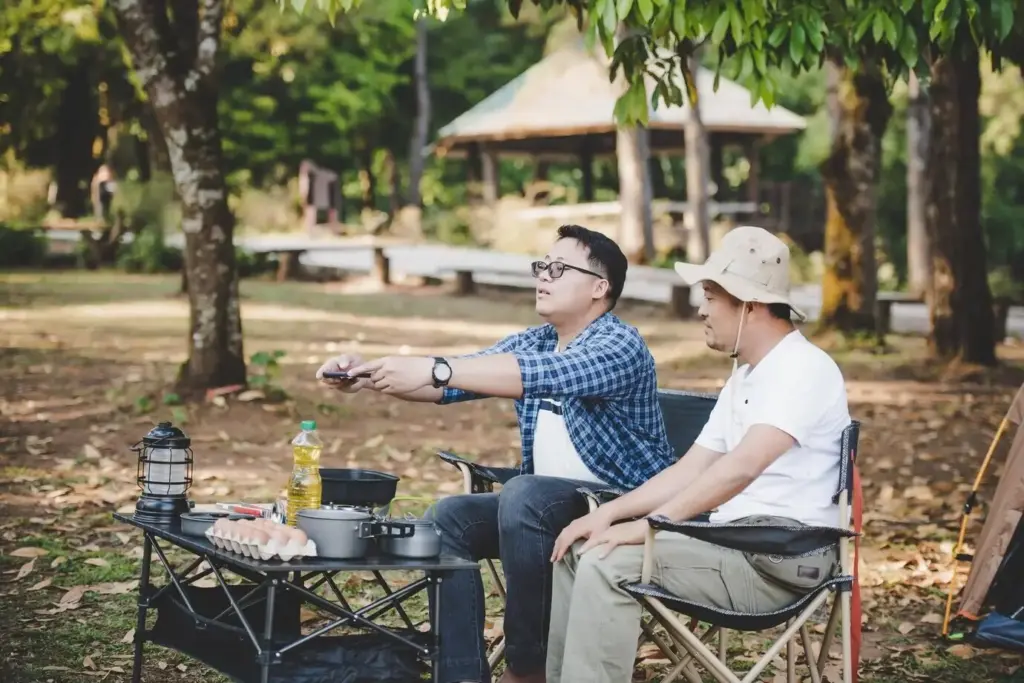
Plan breakfasts you can eat at the stop while waiting, and pack first-day snacks within arm’s reach for immediate energy after disembarking. Dehydrate meals into flat pouches that stack efficiently and avoid rattling. Bundle cooking gear in a single soft sack to prevent metal clatter on the bus. Consider cold-soaking to skip long stove sessions at late arrivals. Always separate odoriferous items into bear-resistant containers, even during short transfers, to protect wildlife and your future campsite.

Weather Contingencies Without Extra Bulk
Shuttle-served regions often climb fast into alpine zones, so storms can build quickly after sunny valley mornings. Pack a breathable rain layer, a wind shirt, and an insulating midlayer that function across sit-and-wait periods at stops and brisk ridge traverses. Favor compact gloves and a beanie for late buses or high-elevation camps. A lightweight pack cover keeps gear presentable for boarding. Designed thoughtfully, these pieces expand your safe window without adding awkward, bus-unfriendly bulk.
Itineraries That Link Trailheads and Make the Return Easy
When your route elegantly lands at a shuttle stop near camp stores or visitor centers, end-of-trip transitions feel effortless. Build loops that intersect multiple stops, or plan point-to-point journeys beginning with early drop-offs. Include short scenic spurs that you can skip if buses run late or weather changes. Note elevation gain near your final day to avoid sprinting for the last ride. Curate mileage to arrive with time for a trailhead snack and celebratory photo.
Safety, Navigation, and Smart Communication on Shuttle-Linked Trails
Popular shuttle corridors can still feel remote once you crest into alpine meadows or slot canyons. Carry reliable maps, check avalanche or monsoon advisories, and tell a trusted contact your route and bus endpoints. Keep a flexible mindset if lightning or trail closures redirect your plan mid-journey. Use radios or satellite messengers thoughtfully and respect quiet areas. Most importantly, balance ambition with weather, daylight, and team energy so each campsite arrives with time to hydrate, eat, and unwind.

A Dawn Ride, a Ridge Camp, and Meteors Over Granite
We boarded the first shuttle in pre-dawn hush, packs trimmed and warm drinks tucked deep. By noon, we reached a breezy ridge where wildflowers framed the horizon, and night brought a meteor shower so bright it felt choreographed. The final morning, we ambled downhill, timing footsteps with bus chimes in the valley below. That effortless rendezvous was no accident; it came from small preparations that turned schedules into freedom and buses into bridges toward wonder.
Lessons from Rangers and Drivers You’ll Never Forget
A veteran driver once suggested a quieter mid-morning stop where hikers board easily with bear canisters. A ranger highlighted a drainage where storms build an hour earlier than forecasts suggest. Those insights—earned over seasons—have saved countless plans from unraveling. When you have a moment, ask kind questions and listen closely. People who steward these places care deeply about your safety and experience. Their guidance can transform a good itinerary into an unforgettable, resilient, and respectful journey.
Share Your Route, Subscribe, and Keep the Conversation Going
Tell us which park you’re exploring next, how you linked your trailheads, and what you packed differently for shuttle comfort. Drop practical tips for boarding with big packs, managing last-bus jitters, or refining loops around seasonal closures. Subscribe for fresh route ideas, printable checklists, and timely reminders when service changes. Your insights help new hikers travel thoughtfully, reduce parking congestion, and protect wildlife habitat. Together, we can keep these shuttle-connected adventures welcoming, sustainable, and endlessly inspiring.
Stories, Community Wisdom, and an Invitation to Explore Together
Shared experiences help transform bus timetables and trail junctions into memories you will retell for years. We weave ranger advice, driver anecdotes, and lessons from unplanned detours into practical guidance that keeps journeys joyful. Expect candid reflections on blister fixes at crowded stops, lightning turns that required bailout trails, and stargazing while waiting for the last ride. Add your voice, ask questions, and help others discover low-impact ways to reach quiet camps with gratitude and care.


All Rights Reserved.