Ride, Camp, Repeat: Weekend Bikepacking Routes to Remember
Mapping a Weekend You Can Actually Finish
Packing Light, Sleeping Right
Food, Water, and Realistic Resupplies
01
Timing Convenience-Store Stops
Stores close early in rural areas, especially on Sundays. Check hours and buffer with emergency calories like nut butter, tortillas, and energy chews. Eat before you are hollow, drink before you are parched, and add real food where possible. Quick stops with intentional lists prevent loitering and regret purchases. Consider sharing a picnic outside the shop to stretch, laugh, and reorganize. You will roll out nourished, lighter, and focused, not juggling wrappers or chasing sugar spikes on the next climb.
02
Hydration, Filtration, and Sources
Map known spigots, campgrounds, and flowing creeks, then assume one will be dry. Carry a compact filter, backup tablets, and a collapsible bladder for long gaps. On hot days, prioritize electrolytes and shade breaks before performance fades. Cold mornings can mask dehydration, so sip steadily despite cool air. Treat every source that is not clearly potable. Reliable water transforms rough miles into manageable rhythm, protecting judgment, mood, and recovery so camp arrives with clear thinking and easy smiles.
03
Cooking or Cold-Soaking for Speed
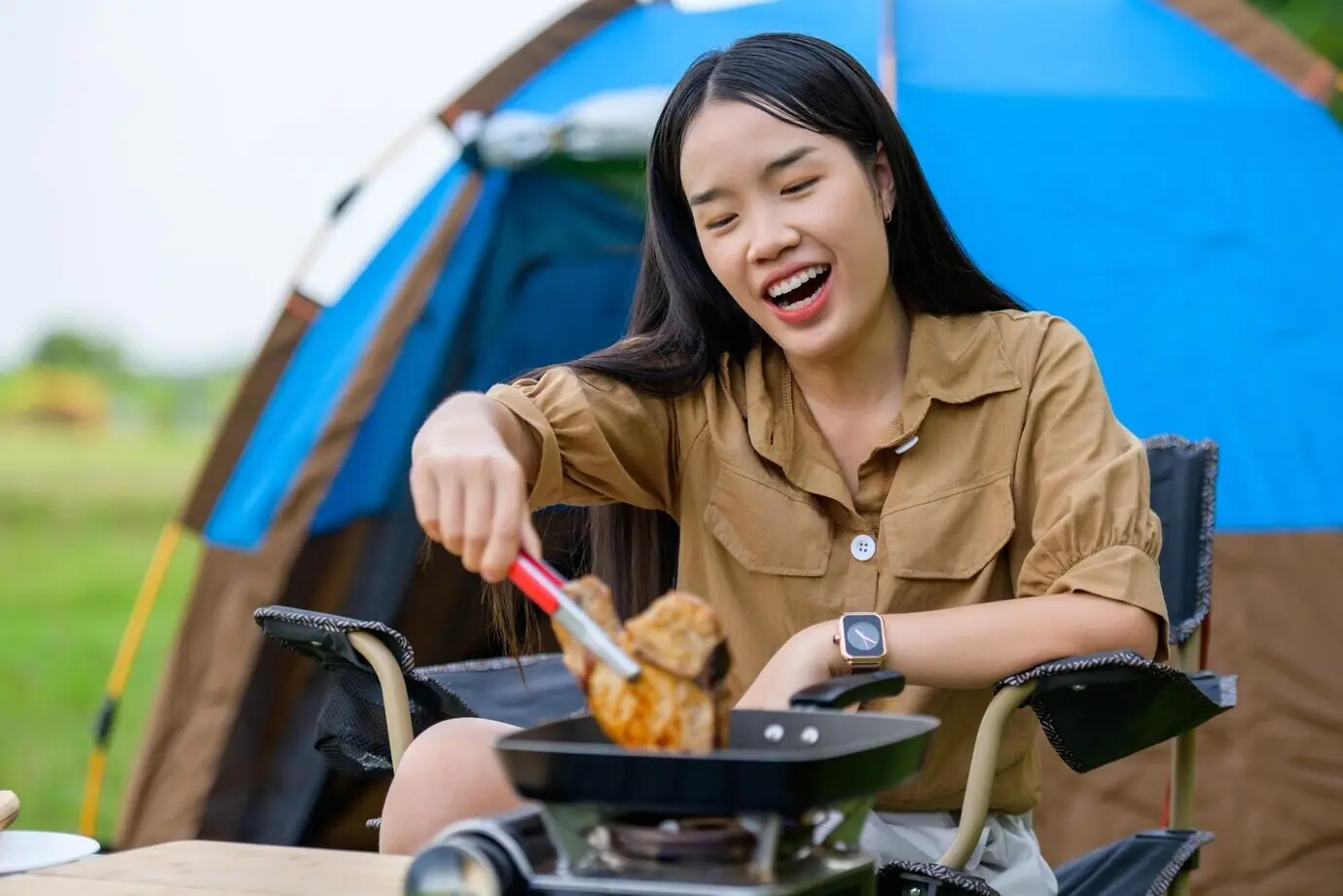
Stoves deliver morale in a cup, melting stress into steam and aroma. Yet cold-soaking wins minimalists time and space, perfect for quick overnights or fire restrictions. Decide based on predicted lows, comfort needs, and resupply opportunities. Lightweight canister stoves excel for rapid boils; alcohol setups charm with simplicity; no-cook plans demand careful menu creativity. Whatever you choose, pre-pack portions, test recipes, and secure fuel safely. Your evening routine should feel effortless, warm, and inviting, not fussy or fragile.
Navigation, Weather, and Safety Nets
Campsite Joy and Leave No Trace
Choosing Quiet, Legal Overnight Spots
Research land management rules and dispersed camping allowances before wheels turn. Verify seasonal closures, fire restrictions, and permit requirements. In busier regions, book designated sites early, then arrive with enough daylight to pivot if occupied or unsuitable. Keep voices low, lights soft, and camps compact. Distance from trails preserves everyone’s sense of solitude. Legality and discretion are not just boxes to tick; they are foundations for community goodwill, ensuring future riders are met with smiles, not locked gates.
Night Rituals That Enhance Recovery
Even small routines restore tired legs and bright minds. Stretch calves and hips, change into dry layers, and eat warm, savory food that refuels glycogen. Journal route highlights, filter tomorrow’s water, and set breakfast items within reach. Protect sleep with earplugs, a beanie, and adjusted vents to balance condensation and warmth. These intentional moments frame the night as sanctuary rather than intermission, delivering the deep rest that transforms Sunday’s climbs into friendly challenges instead of lingering fatigue.
Sample Two-Day Itineraries to Spark Your Planning
Coastal Breeze Loop: Day-by-Day Flow
Day one follows a rail trail to a bluff-top campground with water and ocean views, mixing packed gravel and brief pavement. Resupply mid-afternoon at a harbor deli, then watch sunset gulls while simmering simple pasta. Day two returns via inland farm roads, offering wind shelter and a café breakfast. Keep tires wide for beach sand patches, and bring a wind layer. If fog rolls in, shorten the loop using a quiet rural cutoff that rejoins the trail.
Forest Ridge Overnighter: Highlights and Hike-a-Bike Notes
Climb steady gravel into towering evergreens, pausing at springs marked on your GPX. Expect a rocky mile requiring calm hike-a-bike; gloves help. Camp on a breezy saddle with sweeping stars but stake securely. Dinner is a hearty couscous with olive oil and spices. Descend a shaded logging road next morning, then roll into a small town for second breakfast. Watch for logging traffic, yield generously, and keep lights on even in daylight. This route rewards patience, pacing, and curiosity.
Share Your GPX and Notes
Host a Friendly Overnighter
Train Between Trips With Curiosity

All Rights Reserved.